Introduction
Technology is continuously pushing the boundaries of what machines can achieve. From industrial automation to artificial intelligence, modern innovations are creating smarter and more capable systems. Among the most exciting developments in robotics is the rise of humanoid robots—advanced machines designed to resemble, interact with, and assist humans.
Humanoid robots represent the next generation of human-like machines that combine artificial intelligence, robotics, sensors, and advanced engineering. Unlike traditional robots built for specific tasks, humanoid robots are designed with human-like features such as arms, legs, faces, and communication abilities. They can move through human environments, understand instructions, learn from experiences, and perform tasks that require flexibility and intelligence.
As artificial intelligence continues to improve, humanoid robots are expected to transform industries such as healthcare, manufacturing, education, customer service, and personal assistance. This article explores what humanoid robots are, how they work, their applications, benefits, challenges, and how they may shape the future of human-machine interaction.
What Are Humanoid Robots?
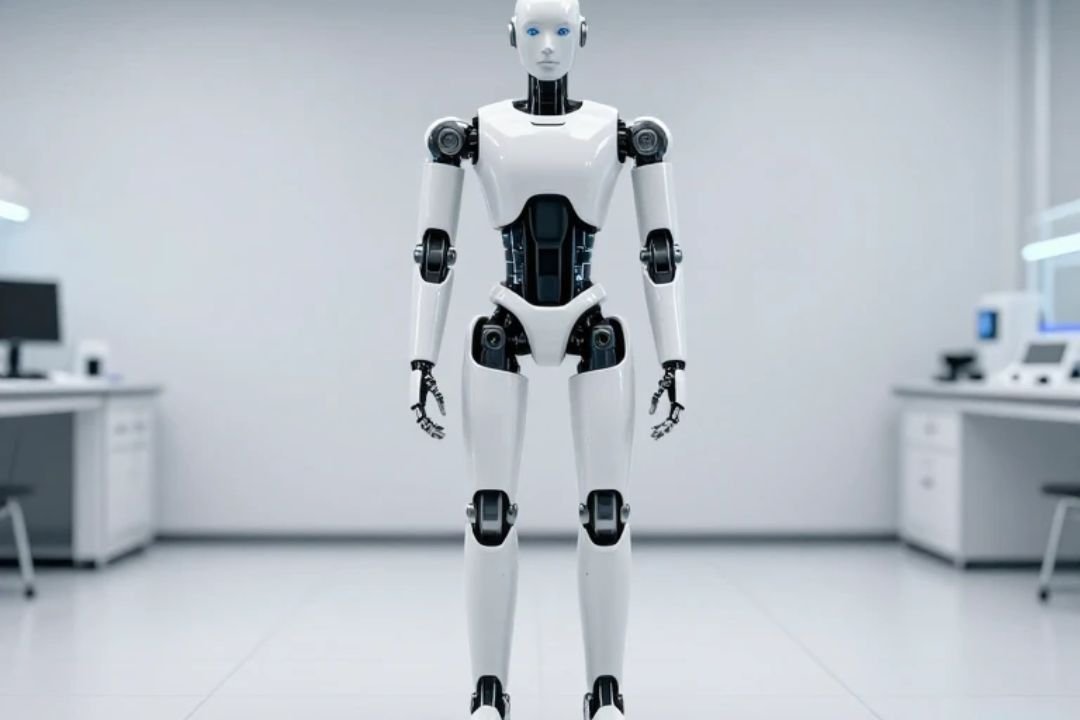
Humanoid robots are robots designed to have a physical structure similar to humans. They usually include a head, torso, arms, and legs, allowing them to perform movements and interact with environments created for humans.
The main goal of humanoid robotics is to create machines that can operate naturally in human spaces without requiring major changes to existing infrastructure.
For example, a humanoid robot could:
- Walk through buildings using stairs and doors
- Communicate with people through speech
- Recognize objects and faces
- Perform physical tasks using human-like movements
- Assist people in daily activities
Unlike simple automated machines, humanoid robots aim to combine physical abilities with artificial intelligence to create more adaptable and interactive systems.
How Do Humanoid Robots Work?
Humanoid robots rely on several advanced technologies that allow them to sense, think, and act.
1. Artificial Intelligence and Machine Learning
Artificial intelligence is the brain behind modern humanoid robots. AI allows robots to understand information, make decisions, and improve their performance over time.
Machine learning algorithms help humanoid robots learn from data and experiences. This enables them to recognize patterns, understand human behavior, and adapt to new situations.
2. Sensors and Perception Systems
Humanoid robots use advanced sensors to understand their surroundings. These sensors work similarly to human senses by collecting information about the environment.
Common sensors include:
- Cameras for visual recognition
- Microphones for voice detection
- Touch sensors for physical interaction
- Motion sensors for balance and movement
- Depth sensors for understanding space
These technologies help robots navigate safely and interact effectively with people.
3. Robotic Movement and Mechanics
Creating human-like movement is one of the biggest challenges in humanoid robotics. Robots need advanced motors, joints, and control systems to walk, balance, and perform complex movements.
Modern humanoid robots use sophisticated mechanical designs that allow them to:
- Walk naturally
- Pick up objects
- Move their arms and hands
- Maintain balance
- Perform delicate tasks
4. Natural Language Processing
Natural Language Processing (NLP) allows humanoid robots to understand and communicate using human language.
With NLP technology, robots can:
- Answer questions
- Follow spoken instructions
- Hold conversations
- Provide information
- Assist users
This makes interaction between humans and robots more natural.
Applications of Humanoid Robots
Humanoid robots have the potential to improve many areas of human life. Their human-like design allows them to perform tasks in environments already designed for people.
1. Healthcare and Elderly Care
Healthcare is one of the most promising applications of humanoid robots. As populations age in many countries, there is increasing demand for assistance in elderly care.
Humanoid robots can help by:
- Providing companionship
- Monitoring health conditions
- Assisting with daily activities
- Reminding patients to take medication
- Supporting rehabilitation programs
In hospitals, humanoid robots may assist medical staff by delivering supplies, guiding visitors, and helping patients.
2. Manufacturing and Industrial Work
Although traditional industrial robots are already common, humanoid robots offer greater flexibility because they can perform tasks in environments designed for humans.
They can assist with:
- Assembly operations
- Equipment inspection
- Material handling
- Warehouse tasks
Their human-like design allows them to use existing tools and workspaces without major modifications.
3. Education and Learning
Humanoid robots can become valuable tools in education. They can interact with students, provide personalized learning support, and make lessons more engaging.
Possible uses include:
- Language learning assistants
- Classroom helpers
- Educational demonstrations
- Support for students with special needs
Robots with interactive abilities can create new learning experiences.
4. Customer Service and Hospitality
Businesses are exploring humanoid robots for customer support roles. Their ability to communicate and interact with people makes them useful in public environments.
Applications include:
- Hotel assistants
- Information guides
- Reception services
- Shopping assistants
Humanoid robots can provide information quickly and improve customer experiences.
5. Space Exploration
Humanoid robots could play an important role in future space missions. Their human-like structure allows them to perform tasks designed for astronauts.
They may help with:
- Planet exploration
- Equipment maintenance
- Scientific research
- Dangerous space operations
Humanoid robots could support humans during missions to places such as the Moon and Mars.
Benefits of Humanoid Robots
Humanoid robots offer several important advantages.
1. Ability to Work in Human Environments
Because they have human-like bodies, these robots can operate in places designed for humans, such as homes, offices, and factories.
2. Improved Efficiency
Humanoid robots can perform repetitive or time-consuming tasks quickly and consistently.
3. Support for Human Workers
Rather than replacing all human work, humanoid robots can assist people by handling dangerous, repetitive, or physically demanding activities.
4. Better Accessibility
Humanoid robots may provide support for elderly people, individuals with disabilities, and those who need daily assistance.
5. Increased Safety
Robots can perform tasks in dangerous environments, reducing risks to human workers.
Challenges of Humanoid Robots
Despite their potential, humanoid robots face several challenges before becoming common in everyday life.
High Development Costs
Building advanced humanoid robots requires expensive hardware, software, and research. Creating reliable human-like movement is a complex engineering challenge.
Technical Limitations
Robots still struggle with tasks that humans perform naturally, such as understanding emotions, handling unpredictable situations, and making complex judgments.
Energy Requirements
Humanoid robots require powerful batteries and efficient energy systems to operate for long periods.
Safety Concerns
As robots become more intelligent and physically capable, ensuring safe interaction between humans and machines is essential.
Ethical Questions
The development of humanoid robots raises questions about privacy, employment, responsibility, and the role of machines in society.
The Future of Humanoid Robots
The future of humanoid robots looks promising as advancements in artificial intelligence and robotics continue. Researchers are developing robots that are more intelligent, mobile, and capable of understanding human needs.
Future humanoid robots may include:
More Advanced AI Systems
Future robots will have improved reasoning abilities, allowing them to understand complex instructions and make better decisions.
More Natural Human Interaction
Advancements in speech recognition and emotional intelligence will make communication with robots more realistic.
Wider Use in Daily Life
Humanoid robots may become common in homes, workplaces, healthcare facilities, and public spaces.
Human-Robot Collaboration
The future is likely to focus on cooperation between humans and robots, where machines support human abilities rather than simply replacing them.
How Humanoid Robots Will Change Society
Humanoid robots could significantly change the way humans live and work. They may improve productivity, provide essential services, and help solve challenges caused by aging populations and labor shortages.
In workplaces, humanoid robots could handle dangerous and repetitive tasks, allowing humans to focus on creativity and decision-making. In homes, they could provide assistance and companionship. In healthcare, they could improve patient support and accessibility.
As technology develops, humanoid robots may become important partners in everyday life.
Conclusion
Humanoid robots represent the next generation of human-like machines, combining artificial intelligence, advanced robotics, and human-inspired design. These intelligent systems have the potential to transform healthcare, manufacturing, education, customer service, and many other fields.
Although challenges such as cost, safety, and technical limitations remain, rapid advancements are bringing humanoid robots closer to real-world use. The future of robotics will not only be about creating smarter machines but also about building better cooperation between humans and technology.
Humanoid robots are more than just futuristic inventions—they are becoming a powerful technology that could redefine how humans interact with machines and shape the future of society.
