Introduction
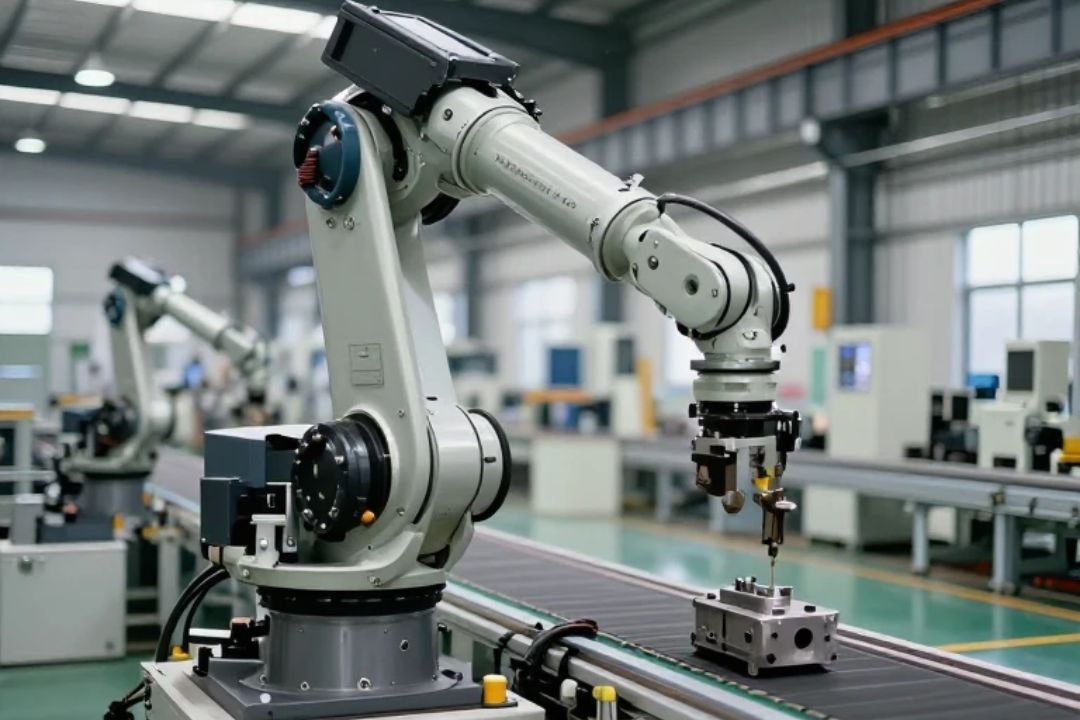
The modern industrial world is experiencing a major technological transformation driven by robot automation technology. As businesses search for faster production, improved accuracy, and higher efficiency, advanced robotics has become one of the most important solutions shaping the future of industries.
Robot automation combines robotics, artificial intelligence, machine learning, sensors, and advanced software to create intelligent machines capable of performing tasks with minimal human involvement. These technologies are helping companies improve productivity, reduce operational costs, increase workplace safety, and create smarter manufacturing environments.
From automotive factories and healthcare facilities to logistics, agriculture, and electronics production, robots are changing the way industries operate. The rise of advanced robotics is not only improving existing processes but also creating new opportunities for innovation and growth.
This article explores how robot automation technology is transforming industries through advanced robotics, including its working principles, applications, benefits, challenges, and future trends.
What Is Robot Automation Technology?
Robot automation technology refers to the use of robotic systems to perform tasks automatically without continuous human control. These robots are programmed and equipped with intelligent technologies that allow them to complete repetitive, complex, or dangerous operations efficiently.
Traditional machines usually perform fixed tasks, but modern automated robots can adapt to changing environments, analyze data, and make decisions using artificial intelligence.
Robot automation systems commonly include:
- Robotic arms and machines
- Artificial intelligence software
- Sensors and cameras
- Computer vision systems
- Control systems
- Machine learning algorithms
Together, these technologies create advanced robotic solutions that improve industrial performance.
The Evolution of Robotics in Industry
The use of robots in industries has developed significantly over the years. Early industrial robots were mainly used for repetitive tasks such as welding and assembly. They followed simple instructions and operated in controlled environments.
With advancements in computing power and artificial intelligence, robots have become smarter and more flexible. Modern robotic systems can now:
- Learn from data
- Recognize objects
- Adapt to new tasks
- Communicate with other machines
- Work safely with humans
This evolution has led to the development of smart factories where automated systems manage production processes with greater efficiency and precision.
How Robot Automation Technology Works
Advanced robotic automation depends on several technologies working together.
1. Sensors and Data Collection
Sensors allow robots to understand their surroundings. They collect information about objects, movement, temperature, position, and environmental conditions.
Common sensors include:
- Cameras for visual recognition
- Motion sensors for movement tracking
- Pressure sensors for handling objects
- Distance sensors for navigation
The collected data helps robots make accurate decisions.
2. Artificial Intelligence and Machine Learning
Artificial intelligence gives robots the ability to analyze information and improve performance. Machine learning allows robots to learn from experience and adjust their actions over time.
AI-powered robots can:
- Identify patterns
- Predict problems
- Optimize processes
- Improve decision-making
This makes modern robots more adaptable compared to traditional automated machines.
3. Computer Vision Technology
Computer vision enables robots to see and understand their environment. Using cameras and advanced algorithms, robots can recognize objects, inspect products, and perform precise tasks.
Computer vision is widely used in:
- Quality inspection
- Product sorting
- Assembly operations
- Safety monitoring
4. Robotic Control Systems
Control systems act as the brain of robotic operations. They manage robot movements, coordinate tasks, and ensure accurate performance.
Advanced control systems allow robots to complete complicated operations with high speed and reliability.
Applications of Robot Automation Technology
Robot automation is transforming many industries around the world. Some of the most important applications include:
1. Manufacturing Industry
Manufacturing is one of the biggest industries benefiting from robotic automation. Robots are used in factories to improve production speed, accuracy, and efficiency.
Applications include:
- Assembly line operations
- Welding
- Painting
- Packaging
- Quality inspection
- Material handling
Automated manufacturing systems help companies produce high-quality products while reducing errors and waste.
2. Automotive Industry
The automotive sector has been using robots for decades, and advanced robotics continues to improve vehicle production.
Robots assist with:
- Vehicle assembly
- Welding car parts
- Painting vehicles
- Installing components
- Testing quality
Automation allows automobile manufacturers to increase production capacity while maintaining consistent quality.
3. Healthcare Industry
Robot automation technology is creating new possibilities in healthcare. Medical robots help doctors, nurses, and patients by improving accuracy and efficiency.
Applications include:
- Robotic surgery systems
- Medical supply delivery robots
- Rehabilitation robots
- Laboratory automation
Robotic systems can support healthcare professionals and improve patient outcomes.
4. Logistics and Warehousing
The growth of online shopping has increased demand for faster and more efficient delivery systems. Robotic automation helps warehouses manage large volumes of products.
Warehouse robots can:
- Move inventory
- Sort packages
- Manage storage systems
- Assist with order fulfillment
Automation improves speed, reduces human workload, and increases accuracy.
5. Agriculture Industry
Agriculture is also being transformed by robotic technology. Smart farming robots help farmers improve productivity and manage resources efficiently.
Applications include:
- Automated harvesting
- Crop monitoring
- Weed removal
- Soil analysis
Robotic agriculture can support sustainable farming practices and increase food production.
6. Electronics Industry
The electronics industry requires extreme precision, making it ideal for robotic automation.
Robots are used for:
- Micro-component assembly
- Circuit board production
- Product testing
- Packaging
Their accuracy helps manufacturers produce advanced electronic devices efficiently.
Benefits of Robot Automation Technology
Advanced robotics provides many advantages for businesses and industries.
1. Increased Productivity
Robots can operate continuously without fatigue, allowing companies to increase production output and meet customer demands.
2. Improved Accuracy and Quality
Robotic systems perform tasks with high precision, reducing mistakes and improving product quality.
3. Enhanced Workplace Safety
Robots can perform dangerous tasks that may put human workers at risk, such as handling hazardous materials or operating heavy machinery.
4. Reduced Operational Costs
Although robotic systems require initial investment, they can reduce long-term costs by improving efficiency and reducing production errors.
5. Greater Flexibility
Modern robots can be programmed for multiple tasks, allowing businesses to quickly adapt to changing market needs.
6. Better Data Management
Smart robots collect valuable production data that helps companies analyze performance and improve operations.
Challenges of Robot Automation Technology
Despite its benefits, robot automation also presents several challenges.
High Initial Investment
Advanced robotic systems require significant financial investment, which can be difficult for smaller companies.
Technical Skills Requirement
Companies need skilled professionals who can program, operate, and maintain robotic systems.
Workforce Changes
Automation may reduce demand for some repetitive jobs. However, it also creates new opportunities in robotics engineering, programming, and system management.
Cybersecurity Risks
Connected robotic systems may face cybersecurity threats. Protecting automated systems from hacking is essential.
Integration Challenges
Integrating new robotic technology with existing production systems can be complex and time-consuming.
Future Trends in Robot Automation Technology
The future of robotic automation is expected to bring even more advanced solutions.
Artificial Intelligence Integration
AI will make robots smarter by improving learning, decision-making, and adaptability.
Collaborative Robots
Collaborative robots, or cobots, will become more common as they allow humans and machines to work together safely.
Smart Factories
Future factories will use connected robots, artificial intelligence, and data analytics to create fully automated production environments.
Autonomous Robots
Robots will become increasingly independent, capable of navigating environments and completing tasks without direct supervision.
Sustainable Automation
Robotic technology will help industries reduce waste, save energy, and create environmentally friendly production systems.
The Impact of Robotics on the Future of Industries
Robot automation technology is not simply replacing traditional manufacturing methods; it is creating a new approach to industrial operations. By combining human creativity with machine efficiency, companies can achieve higher levels of innovation and productivity.
In the future, robots will become essential partners in industries, helping humans solve complex challenges and improve everyday processes. Advanced robotics will continue to influence how products are created, services are delivered, and businesses operate.
Conclusion
Robot automation technology is transforming industries through advanced robotics, artificial intelligence, and intelligent automation systems. From manufacturing and healthcare to logistics and agriculture, robots are improving efficiency, accuracy, and safety across multiple sectors.
Although challenges such as high costs, workforce changes, and cybersecurity risks remain, the advantages of robotic automation continue to drive global adoption.
As technology advances, robot automation will play an even greater role in creating smarter industries and more efficient workplaces. The future of business and manufacturing will be shaped by intelligent robotic systems working alongside humans to build a faster, safer, and more innovative world.
