Introduction
The Internet of Things (IoT) has transformed the way people live, work, and interact with technology. From smart homes and connected vehicles to industrial automation and healthcare monitoring, IoT is reshaping industries by connecting billions of devices through the internet. As technology continues to evolve, Smart IoT innovations are becoming more intelligent, secure, and efficient, paving the way for a highly connected future.
Businesses worldwide are investing heavily in IoT solutions to improve productivity, reduce operational costs, and deliver better customer experiences. Combined with technologies like Artificial Intelligence (AI), Machine Learning (ML), 5G, Edge Computing, and Big Data Analytics, IoT is unlocking new possibilities that were once unimaginable.
In this comprehensive guide, you’ll explore the latest Smart Internet of Things (IoT) innovations, future trends, benefits, applications, challenges, and best practices to understand why IoT is one of the most influential technologies shaping the future.
What Is the Internet of Things (IoT)?
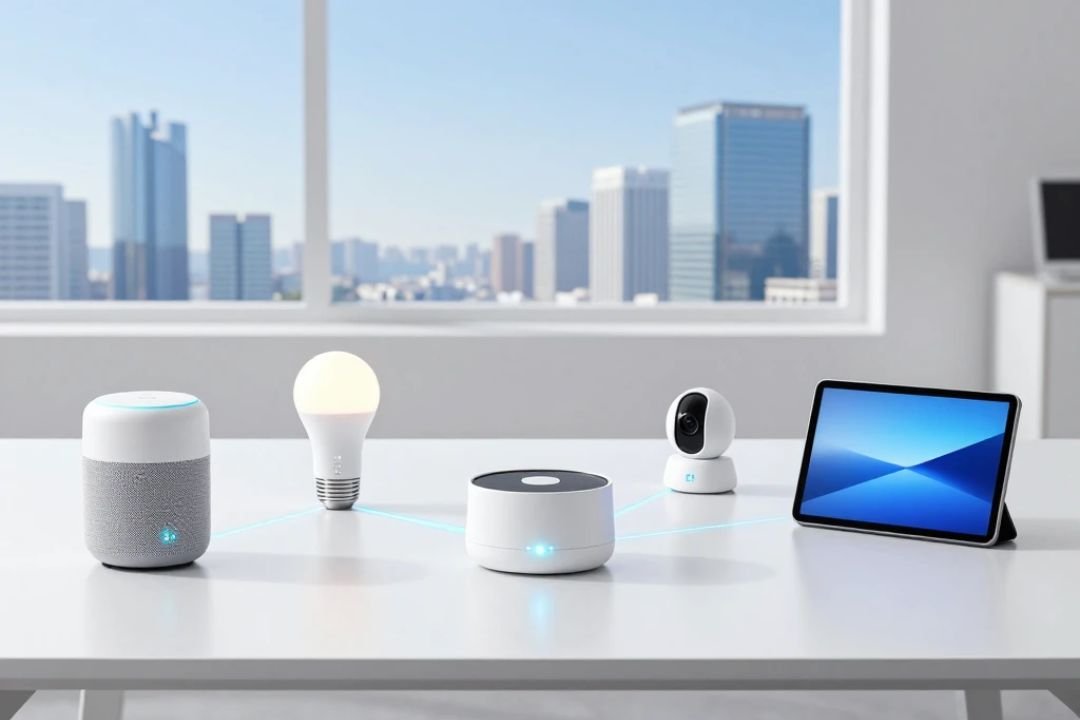
The Internet of Things (IoT) refers to a network of physical devices connected to the internet that collect, exchange, and analyze data without requiring constant human intervention. These devices use sensors, software, and communication technologies to interact with each other and perform automated tasks.
Examples of IoT devices include:
- Smart home assistants
- Smart thermostats
- Fitness trackers
- Connected security cameras
- Smart refrigerators
- Industrial sensors
- Wearable health devices
- Smart street lighting
- Connected vehicles
The primary goal of IoT is to create intelligent systems that improve efficiency, convenience, and decision-making through real-time data.
How Does IoT Work?
An IoT ecosystem consists of several essential components that work together seamlessly:
1. Smart Devices
IoT devices are equipped with sensors that collect information such as temperature, humidity, motion, location, or energy usage.
2. Internet Connectivity
Collected data is transmitted through communication technologies like Wi-Fi, Bluetooth, Zigbee, LTE, or 5G networks.
3. Cloud Computing
Cloud platforms store, process, and analyze massive amounts of IoT data securely.
4. Data Analytics
Advanced analytics and AI algorithms transform raw data into meaningful insights.
5. User Interface
Users can monitor and control IoT devices through mobile apps, web dashboards, or voice assistants.
Benefits of Smart IoT Solutions
The rapid adoption of IoT technology offers numerous advantages for businesses and consumers alike.
Improved Automation
IoT automates repetitive tasks, reducing manual effort and increasing productivity.
Real-Time Monitoring
Organizations can monitor equipment, vehicles, inventory, and environmental conditions instantly.
Better Decision-Making
Access to real-time data enables businesses to make faster and more informed decisions.
Cost Savings
Predictive maintenance and automated operations help reduce downtime and operational expenses.
Enhanced Customer Experience
IoT enables personalized services, smart recommendations, and improved user convenience.
Increased Energy Efficiency
Smart energy management systems optimize electricity consumption in homes, offices, and factories.
Smart IoT Innovations Transforming Industries
Smart Homes
Modern smart homes use IoT devices to automate lighting, security, heating, and entertainment systems.
Popular smart home features include:
- Voice-controlled assistants
- Smart locks
- Smart lighting
- Automated thermostats
- Intelligent security systems
- Connected appliances
These innovations improve comfort, security, and energy efficiency.
Smart Healthcare
IoT is revolutionizing healthcare by enabling remote patient monitoring and personalized care.
Healthcare IoT applications include:
- Wearable fitness devices
- Heart rate monitoring
- Blood glucose monitoring
- Smart medical equipment
- Remote consultations
- Medication tracking
Doctors can monitor patients in real time, leading to faster diagnoses and improved treatment outcomes.
Smart Cities
Cities worldwide are adopting IoT technologies to improve public services and sustainability.
Examples include:
- Smart traffic management
- Intelligent parking systems
- Smart waste management
- Connected public transportation
- Air quality monitoring
- Smart street lighting
These solutions reduce congestion, improve public safety, and lower energy consumption.
Industrial Internet of Things (IIoT)
Manufacturing companies use Industrial IoT to improve production efficiency.
Key applications include:
- Predictive maintenance
- Equipment monitoring
- Quality control
- Supply chain optimization
- Warehouse automation
IIoT helps businesses minimize downtime while maximizing productivity.
Agriculture
Smart farming uses IoT sensors to improve crop production and resource management.
Applications include:
- Soil moisture monitoring
- Weather tracking
- Livestock monitoring
- Automated irrigation
- Precision farming
Farmers can increase yields while reducing water and fertilizer usage.
Connected Vehicles
IoT enables vehicles to communicate with other vehicles, infrastructure, and cloud platforms.
Benefits include:
- Real-time navigation
- Predictive maintenance
- Driver safety monitoring
- Fleet management
- Autonomous driving support
Connected transportation improves road safety and operational efficiency.
Emerging IoT Technologies
Several advanced technologies are accelerating IoT innovation.
Artificial Intelligence (AI)
AI enables IoT devices to analyze data, recognize patterns, and make intelligent decisions without human intervention.
Examples include:
- Smart surveillance
- Predictive maintenance
- Voice recognition
- Personalized recommendations
Edge Computing
Instead of sending all data to the cloud, Edge Computing processes data closer to the device.
Advantages include:
- Faster response times
- Reduced latency
- Lower bandwidth usage
- Enhanced privacy
Edge computing is especially valuable for real-time applications like autonomous vehicles and industrial automation.
5G Connectivity
The rollout of 5G networks significantly improves IoT performance.
Benefits include:
- Ultra-fast data transfer
- Low latency
- Massive device connectivity
- Reliable communication
5G enables large-scale deployment of smart devices across cities and industries.
Digital Twins
A digital twin is a virtual model of a physical object or system.
Organizations use digital twins to:
- Monitor equipment
- Predict failures
- Simulate performance
- Optimize operations
This technology is becoming increasingly popular in manufacturing, healthcare, and smart city planning.
Future Trends in Smart IoT
The Internet of Things continues to evolve rapidly. Several emerging trends are expected to shape its future.
AI-Powered IoT
Artificial Intelligence will make IoT systems more autonomous and capable of self-learning.
Sustainable IoT
Businesses are focusing on environmentally friendly IoT solutions that reduce energy consumption and electronic waste.
Blockchain for IoT Security
Blockchain technology will improve trust, transparency, and device authentication across IoT networks.
Smart Healthcare Expansion
Remote healthcare and wearable medical devices will continue to grow as telemedicine becomes more common.
Autonomous Systems
IoT will play a major role in self-driving vehicles, drones, and robotic automation.
Intelligent Edge Devices
More computing power will move to edge devices, reducing dependence on centralized cloud infrastructure.
Challenges Facing IoT Adoption
Despite its advantages, IoT also presents several challenges.
Cybersecurity Risks
Connected devices are vulnerable to hacking if proper security measures are not implemented.
Businesses should use:
- Strong encryption
- Multi-factor authentication
- Regular software updates
- Secure network protocols
Data Privacy
IoT devices collect significant amounts of personal and business data, making privacy protection essential.
Device Compatibility
Different manufacturers often use different communication standards, creating interoperability challenges.
Scalability
Managing thousands or millions of connected devices requires robust infrastructure and efficient network management.
High Initial Costs
Large-scale IoT implementation may require substantial investment in hardware, software, and skilled professionals.
Best Practices for Successful IoT Implementation
Organizations can maximize IoT success by following these best practices:
- Define clear business objectives.
- Choose scalable IoT platforms.
- Prioritize cybersecurity from the start.
- Use reliable cloud infrastructure.
- Monitor devices continuously.
- Keep firmware and software updated.
- Analyze collected data for actionable insights.
- Train employees on IoT technologies.
- Integrate AI and analytics for smarter automation.
Career Opportunities in IoT
The growing IoT industry offers exciting career opportunities for skilled professionals.
Popular job roles include:
- IoT Developer
- Embedded Systems Engineer
- IoT Security Specialist
- Cloud Solutions Architect
- Network Engineer
- AI Engineer
- Data Scientist
- IoT Project Manager
- Robotics Engineer
As IoT adoption increases, demand for professionals with expertise in networking, programming, cloud computing, and cybersecurity continues to rise.
Conclusion
The Smart Internet of Things (IoT) is revolutionizing the way people and organizations interact with technology. By connecting devices, collecting real-time data, and combining IoT with AI, edge computing, cloud platforms, and big data analytics, businesses can improve efficiency, reduce costs, and create innovative products and services.
As IoT continues to evolve, future trends such as AI-driven automation, 5G connectivity, digital twins, blockchain security, and sustainable smart technologies will further expand its impact across industries. Organizations that invest in secure, scalable, and intelligent IoT solutions today will be well-positioned to thrive in the connected world of tomorrow.
