Introduction
The world of technology is constantly evolving, and every generation experiences innovations that redefine the way people live and work. From the invention of the internet to the rise of artificial intelligence, technological breakthroughs have transformed industries and created new possibilities. Today, another revolutionary technology is emerging: quantum computing.
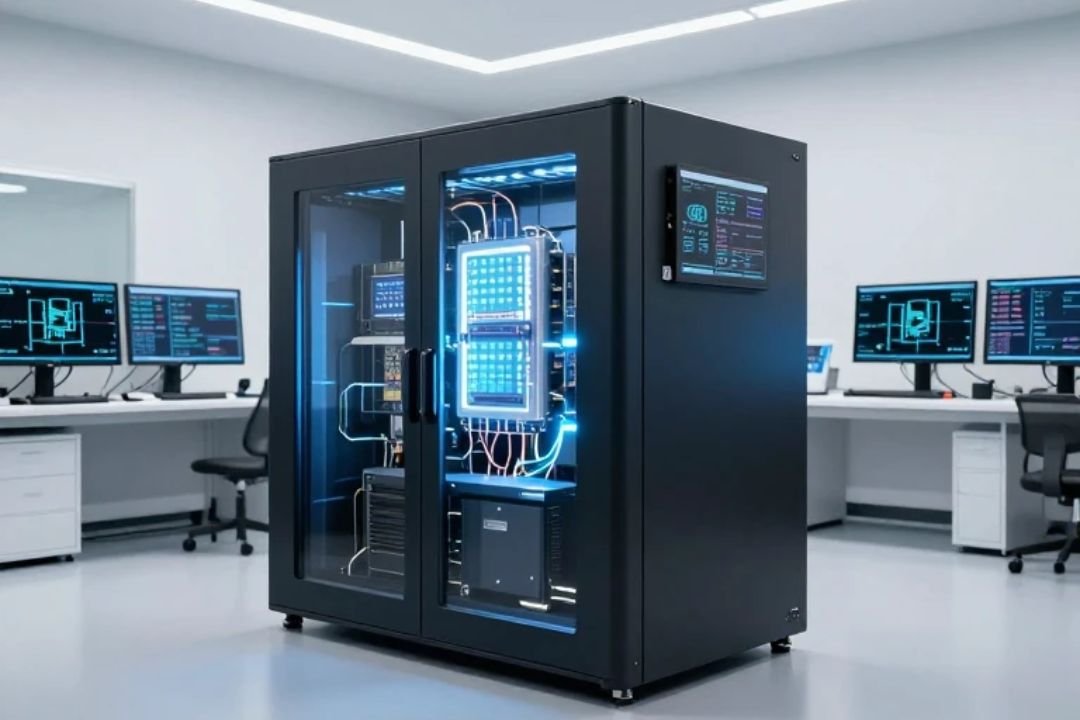
The quantum computing revolution represents a major shift in how computers process information. Unlike traditional computers that use binary bits, quantum computers use quantum bits, known as qubits, to perform calculations based on the principles of quantum physics. This advanced technology has the potential to solve complex problems that are beyond the capabilities of current computers.
From healthcare and artificial intelligence to cybersecurity and climate research, quantum computing could change the world in ways that were previously unimaginable. As research continues, quantum technology is expected to become one of the most influential innovations of the future.
What Is Quantum Computing?
Quantum computing is a next-generation computing technology that uses the principles of quantum mechanics to process and analyze information. Traditional computers rely on bits, which store data as either 0 or 1. Quantum computers use qubits, which can exist in multiple states at the same time.
The power of quantum computing comes from three major concepts:
- Superposition: The ability of qubits to exist in multiple states simultaneously.
- Quantum Entanglement: A connection between qubits that allows them to work together in powerful ways.
- Quantum Interference: A process that helps quantum systems find accurate solutions by increasing useful possibilities and reducing incorrect ones.
These unique properties allow quantum computers to approach problems differently from classical computers, making them highly valuable for advanced scientific and technological challenges.
Why Is Quantum Computing Considered a Revolution?
The quantum computing revolution is important because it introduces a completely new method of computation. Traditional computers have become faster over time, but they still face limitations when dealing with extremely complex problems.
Many challenges in science, medicine, and engineering involve analyzing millions or billions of possible combinations. Classical computers may require enormous amounts of time to solve these problems, while quantum computers have the potential to process them much more efficiently.
Quantum computing could revolutionize the world by:
- Accelerating scientific discoveries
- Improving artificial intelligence systems
- Creating stronger cybersecurity methods
- Developing advanced medicines
- Solving complex optimization problems
How Quantum Computing Will Change Healthcare
One of the most promising areas for quantum computing is healthcare. Developing new medicines and treatments requires understanding complex biological processes at the molecular level.
Traditional computers often struggle to simulate complicated molecules because the number of possible interactions is extremely large. Quantum computers can model molecular structures more accurately, helping researchers discover new drugs faster.
Potential healthcare benefits include:
Faster Drug Discovery
Quantum computers could reduce the time needed to identify effective medicines by simulating chemical reactions more efficiently.
Personalized Medicine
Quantum technology may help analyze genetic information and develop treatments tailored to individual patients.
Disease Research
Scientists could use quantum simulations to better understand diseases such as cancer, neurological disorders, and genetic conditions.
By improving medical research, quantum computing could contribute to longer and healthier lives.
The Impact of Quantum Computing on Artificial Intelligence
Artificial intelligence has already changed many industries, but quantum computing could take AI capabilities to a new level.
AI systems require large amounts of data and powerful processing capabilities. Quantum computers may improve machine learning algorithms by analyzing complex patterns more quickly.
Quantum-powered artificial intelligence could improve:
- Natural language processing
- Image and speech recognition
- Robotics
- Predictive analytics
- Automated decision-making
The combination of quantum computing and AI may lead to smarter systems that can solve problems more efficiently than current technologies.
Quantum Computing and Cybersecurity
Cybersecurity is becoming increasingly important as more information moves online. Financial records, personal data, and government systems depend on secure digital protection.
Quantum computers may create both challenges and opportunities for cybersecurity.
Advanced quantum computers could potentially break some existing encryption methods. This means organizations will need new security technologies to protect sensitive information.
At the same time, quantum computing can support stronger protection through quantum cryptography. Quantum-based security methods could create highly secure communication systems that are difficult to hack.
The future of cybersecurity will likely involve developing new encryption techniques designed for the quantum era.
Transforming the Financial Industry
The financial sector handles enormous amounts of data and relies on complex calculations. Quantum computing could improve financial services by providing faster and more accurate analysis.
Possible applications include:
Risk Management
Quantum algorithms could help financial institutions evaluate risks more effectively.
Fraud Detection
Quantum systems may identify unusual patterns in transactions and improve fraud prevention.
Investment Optimization
Quantum computing could analyze market conditions and help create better investment strategies.
As financial markets become more complex, quantum technology could provide organizations with powerful decision-making tools.
Quantum Computing and Climate Change Solutions
Climate change is one of the greatest challenges facing humanity. Solving environmental problems requires analyzing complex systems involving weather patterns, energy production, and natural resources.
Quantum computing could support climate research by:
- Improving climate simulations
- Designing more efficient renewable energy systems
- Creating better battery technologies
- Discovering new environmentally friendly materials
By helping scientists understand complex environmental processes, quantum computing may contribute to a more sustainable future.
Revolutionizing Manufacturing and Transportation
Industries such as manufacturing and transportation depend on optimization. Companies constantly search for better ways to reduce costs, improve efficiency, and manage resources.
Quantum computers could improve:
- Supply chain management
- Traffic optimization
- Manufacturing processes
- Material development
- Logistics planning
For example, transportation companies could use quantum algorithms to find the fastest delivery routes while reducing fuel consumption and operational costs.
Challenges of the Quantum Computing Revolution
Although quantum computing has enormous potential, several challenges must be overcome before it becomes widely available.
Technical Difficulties
Building reliable quantum computers is extremely challenging. Qubits are sensitive and can easily lose information due to environmental disturbances.
High Development Costs
Quantum computers require advanced equipment, specialized facilities, and expert knowledge, making development expensive.
Error Correction Problems
Quantum errors remain a major issue. Scientists are working on quantum error correction methods to improve reliability.
Limited Current Applications
Most quantum computers today are still experimental. More research is needed before they become common in everyday industries.
The Future of Quantum Computing
The future of quantum computing looks highly promising. Technology companies, universities, and governments worldwide are investing in quantum research to unlock its potential.
In the coming decades, quantum computers may become important tools that work alongside traditional computers. They may not replace conventional systems but will provide solutions for specialized problems requiring advanced computational power.
As quantum technology develops, it could lead to breakthroughs in areas that are currently limited by computing power. The quantum computing revolution may change how humans approach science, innovation, and problem-solving.
How Quantum Computing Will Change the World
The impact of quantum computing could extend across almost every major industry. It may help scientists discover new medicines, allow businesses to make better decisions, improve digital security, and support environmental protection.
The biggest change may be the ability to solve problems that were previously considered impossible. Quantum computing could open new opportunities for innovation and help humanity address some of its most difficult challenges.
The quantum era is still beginning, but its influence is expected to grow significantly. As technology advances, quantum computing may become one of the defining achievements of the modern digital age.
Conclusion
The quantum computing revolution is more than just an improvement in computer speed—it represents a completely new approach to processing information. By using the unique principles of quantum physics, quantum computers have the potential to transform healthcare, artificial intelligence, cybersecurity, finance, and many other fields.
Although challenges remain, ongoing research continues to bring quantum technology closer to practical use. The future of quantum computing promises a world where complex problems can be solved faster, discoveries can happen more quickly, and technology can create solutions for global challenges.
Quantum computing is not only the future of technology—it could become a powerful force that changes the future of the world.
