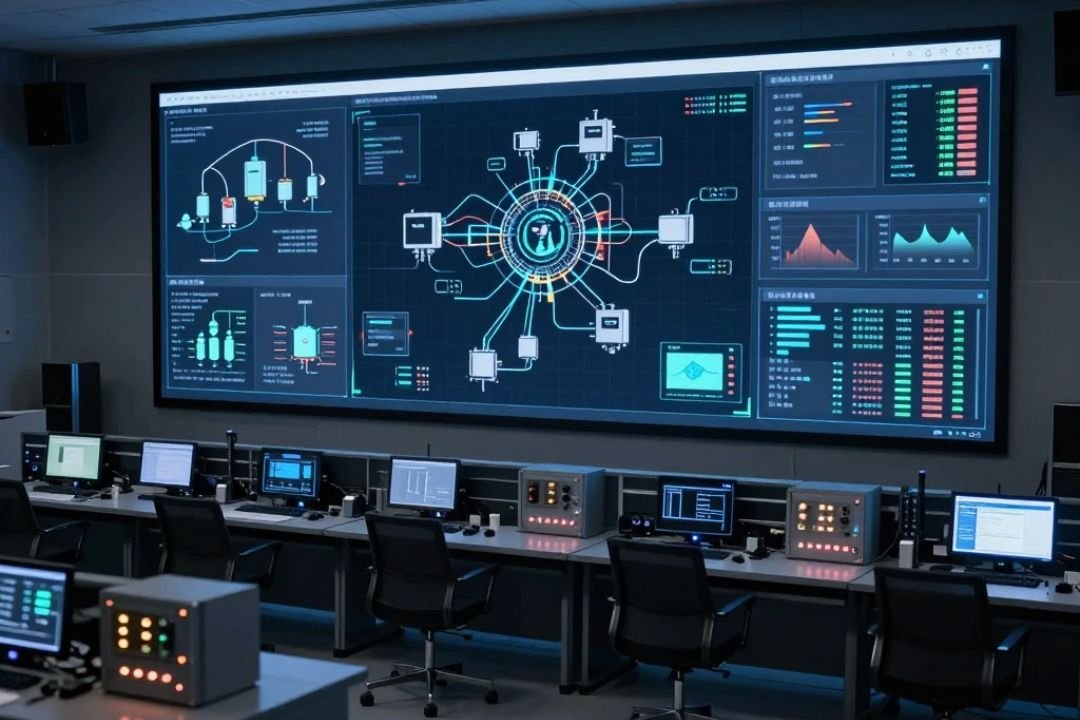
Introduction
The Internet of Things (IoT) has become a cornerstone of digital transformation, connecting billions of devices worldwide and enabling seamless communication between machines, systems, and people. From smart homes and connected vehicles to industrial automation and healthcare innovations, IoT is revolutionizing the way businesses operate and individuals interact with technology.
As organizations increasingly rely on connected devices, understanding Powerful IoT Applications, Security & Industry Insights has become essential. While IoT delivers greater efficiency, automation, and data-driven decision-making, it also introduces new cybersecurity challenges that businesses must address. Implementing secure and scalable IoT solutions is critical for protecting sensitive information and ensuring reliable performance.
This comprehensive SEO-friendly guide explores the most impactful IoT applications, common security challenges, industry use cases, emerging technologies, future trends, and best practices to help you understand how IoT is shaping the connected world.
What Is the Internet of Things (IoT)?
The Internet of Things (IoT) refers to a network of physical devices embedded with sensors, software, and communication technologies that allow them to collect, exchange, and analyze data over the internet.
Unlike traditional devices, IoT-enabled products can communicate automatically without constant human intervention. These smart devices gather real-time information and use cloud platforms, artificial intelligence, and analytics to improve efficiency and automate decision-making.
Common IoT devices include:
- Smart home assistants
- Wearable fitness trackers
- Smart thermostats
- Connected security cameras
- Industrial sensors
- Smart appliances
- Connected vehicles
- Medical monitoring devices
- Smart energy meters
The primary objective of IoT is to create intelligent ecosystems where connected devices work together to improve productivity, convenience, safety, and sustainability.
How IoT Works
An IoT ecosystem consists of several interconnected components.
Smart Devices and Sensors
Sensors collect valuable information such as temperature, humidity, movement, pressure, location, and energy consumption.
Network Connectivity
The collected data is transmitted through communication technologies like Wi-Fi, Bluetooth, Zigbee, LoRaWAN, Ethernet, LTE, or 5G networks.
Cloud and Edge Computing
Data is processed either in cloud servers or closer to the source using edge computing, depending on application requirements.
Data Analytics
Artificial Intelligence (AI) and advanced analytics transform raw information into meaningful business insights.
User Interface
Users access IoT systems through mobile applications, dashboards, voice assistants, or web portals to monitor and control connected devices.
Powerful IoT Applications
IoT technology is transforming nearly every industry by enabling automation, improving efficiency, and supporting data-driven decisions.
Smart Homes
Smart home technology is among the most popular IoT applications.
Examples include:
- Smart lighting
- Smart thermostats
- Video doorbells
- Voice-controlled assistants
- Smart locks
- Connected security cameras
- Smart appliances
These devices improve convenience, security, and energy efficiency while allowing homeowners to manage their homes remotely.
Healthcare
Healthcare organizations are using IoT to deliver more personalized and efficient patient care.
Applications include:
- Remote patient monitoring
- Wearable health trackers
- Smart hospital equipment
- Medication reminders
- Connected diagnostic devices
- Emergency response systems
Healthcare IoT improves patient outcomes while reducing hospital readmissions and operational costs.
Manufacturing
Industrial Internet of Things (IIoT) is revolutionizing manufacturing operations.
Popular applications include:
- Predictive maintenance
- Machine monitoring
- Production automation
- Quality assurance
- Inventory management
- Supply chain optimization
Manufacturers use IIoT to reduce downtime, improve product quality, and increase productivity.
Agriculture
IoT enables precision agriculture through real-time monitoring and automation.
Examples include:
- Soil moisture sensors
- Smart irrigation systems
- Livestock tracking
- Weather monitoring
- Crop health analysis
- Drone-assisted farming
These technologies help farmers maximize yields while conserving water and other resources.
Retail
Retailers use IoT to enhance customer experiences and streamline operations.
Applications include:
- Smart shelves
- Inventory tracking
- Automated checkout
- Personalized promotions
- Customer behavior analytics
- Digital payment systems
Retail businesses gain better visibility into inventory while delivering more personalized shopping experiences.
Transportation and Logistics
Connected transportation systems improve operational efficiency and safety.
IoT applications include:
- Fleet tracking
- Vehicle diagnostics
- Predictive maintenance
- Real-time navigation
- Cold chain monitoring
- Fuel management
Logistics companies use IoT to optimize routes and reduce transportation costs.
IoT Security Challenges
As connected devices continue to grow, cybersecurity has become one of the biggest concerns in IoT adoption.
Weak Authentication
Many IoT devices still use default usernames and passwords, making them vulnerable to cyberattacks.
Organizations should enforce strong password policies and implement multi-factor authentication.
Data Privacy Risks
IoT devices collect large volumes of personal and business information.
Businesses must ensure proper data encryption and comply with privacy regulations to protect user information.
Malware and Ransomware
Cybercriminals increasingly target connected devices using malware and ransomware attacks.
Regular firmware updates and endpoint security solutions help reduce these risks.
Device Vulnerabilities
Outdated software can expose IoT devices to known security exploits.
Manufacturers and users should install updates promptly to maintain security.
Network Security
Poorly secured networks can provide attackers with access to connected devices.
Organizations should implement:
- Firewalls
- Virtual Private Networks (VPNs)
- Network segmentation
- Intrusion detection systems
- Continuous monitoring
Best Practices for IoT Security
Protecting IoT ecosystems requires a proactive cybersecurity strategy.
Follow these best practices:
Use Strong Authentication
Implement unique passwords and multi-factor authentication for all connected devices.
Encrypt Data
Encrypt sensitive information both during transmission and while stored.
Update Firmware Regularly
Install software updates and security patches as soon as they become available.
Monitor Connected Devices
Continuously monitor IoT devices for unusual behavior or unauthorized access.
Secure Cloud Platforms
Choose trusted cloud providers with strong security features and compliance certifications.
Limit Device Permissions
Provide users and devices with only the minimum level of access required.
Educate Employees
Train staff on cybersecurity awareness and safe IoT usage practices.
Industry Insights: How IoT Is Transforming Business
Smart Cities
Governments are using IoT to improve urban infrastructure through:
- Smart traffic systems
- Intelligent parking
- Environmental monitoring
- Waste management
- Public safety solutions
- Smart street lighting
These initiatives reduce congestion, improve sustainability, and enhance quality of life.
Energy and Utilities
Utility companies use IoT to optimize energy production and distribution.
Applications include:
- Smart meters
- Grid monitoring
- Renewable energy management
- Equipment diagnostics
- Demand forecasting
IoT improves energy efficiency while supporting sustainability goals.
Financial Services
Banks and financial institutions use IoT for:
- ATM monitoring
- Asset tracking
- Fraud detection
- Smart payment systems
- Branch security
Connected technologies enhance customer service while improving operational efficiency.
Education
Educational institutions use IoT to create smarter learning environments.
Applications include:
- Smart classrooms
- Attendance tracking
- Campus security
- Connected learning devices
- Resource management
IoT supports interactive learning while improving campus operations.
Technologies Driving IoT Innovation
Several advanced technologies continue to strengthen IoT capabilities.
Artificial Intelligence (AI)
AI enables connected devices to analyze data, recognize patterns, and automate decisions.
Machine Learning
Machine learning improves predictive analytics by learning from historical data.
Edge Computing
Edge computing reduces latency by processing data closer to IoT devices.
Cloud Computing
Cloud platforms provide scalable storage and analytics for billions of connected devices.
Big Data Analytics
Big Data technologies process enormous amounts of IoT-generated information to support better business decisions.
5G Connectivity
5G networks provide faster communication, lower latency, and support for large-scale IoT deployments.
Future Trends in IoT
The future of IoT promises exciting innovations.
AI-Driven Automation
Smarter devices will make autonomous decisions with minimal human intervention.
Digital Twins
Virtual replicas of physical systems will improve monitoring and predictive maintenance.
Sustainable IoT
Energy-efficient devices and environmentally friendly technologies will support sustainability initiatives.
Blockchain Security
Blockchain will strengthen IoT security through decentralized authentication and transparent data management.
Autonomous Vehicles
Connected transportation systems will continue advancing self-driving technologies.
Smart Healthcare Expansion
Remote patient monitoring and connected medical devices will become even more sophisticated.
Career Opportunities in IoT
The growing IoT industry offers diverse career opportunities.
Popular job roles include:
- IoT Developer
- Embedded Systems Engineer
- IoT Solutions Architect
- IoT Security Specialist
- Cloud Engineer
- Network Engineer
- Data Scientist
- AI Engineer
- Robotics Engineer
- Automation Engineer
Professionals with expertise in programming, networking, cybersecurity, cloud computing, and AI are highly sought after across industries.
Conclusion
The Internet of Things (IoT) is transforming industries by connecting devices, automating processes, and delivering real-time insights that drive smarter decision-making. From smart homes and connected healthcare to industrial automation and intelligent transportation, IoT applications continue to expand, creating new opportunities for innovation and business growth.
At the same time, cybersecurity remains a critical priority. Organizations that implement strong security measures, adopt scalable technologies, and follow best practices can fully leverage the benefits of IoT while protecting their data and infrastructure. As AI, edge computing, cloud platforms, and 5G continue to evolve, IoT will play an even greater role in shaping the future of connected technology, smart living, and digital transformation.
