Introduction
Satellite technology has become one of the most important innovations of the modern era. From communication and navigation to weather forecasting and scientific research, satellites play a crucial role in shaping the way people live and work. These advanced machines orbiting the Earth have transformed global connectivity, improved disaster management, supported environmental protection, and opened new possibilities for exploration beyond our planet.
In the past, satellites were mainly used for military and scientific purposes. Today, modern satellites are an essential part of everyday life. People use satellite-based services when they watch television, access the internet, use GPS navigation, check weather updates, or communicate across continents. As technology continues to advance, satellites are becoming smaller, smarter, and more powerful, creating new opportunities for businesses, governments, and individuals around the world.
What Is Satellite Technology?
Satellite technology refers to the design, development, and use of artificial objects placed into orbit around Earth or other celestial bodies. These satellites collect data, transmit signals, and provide services that support various industries.
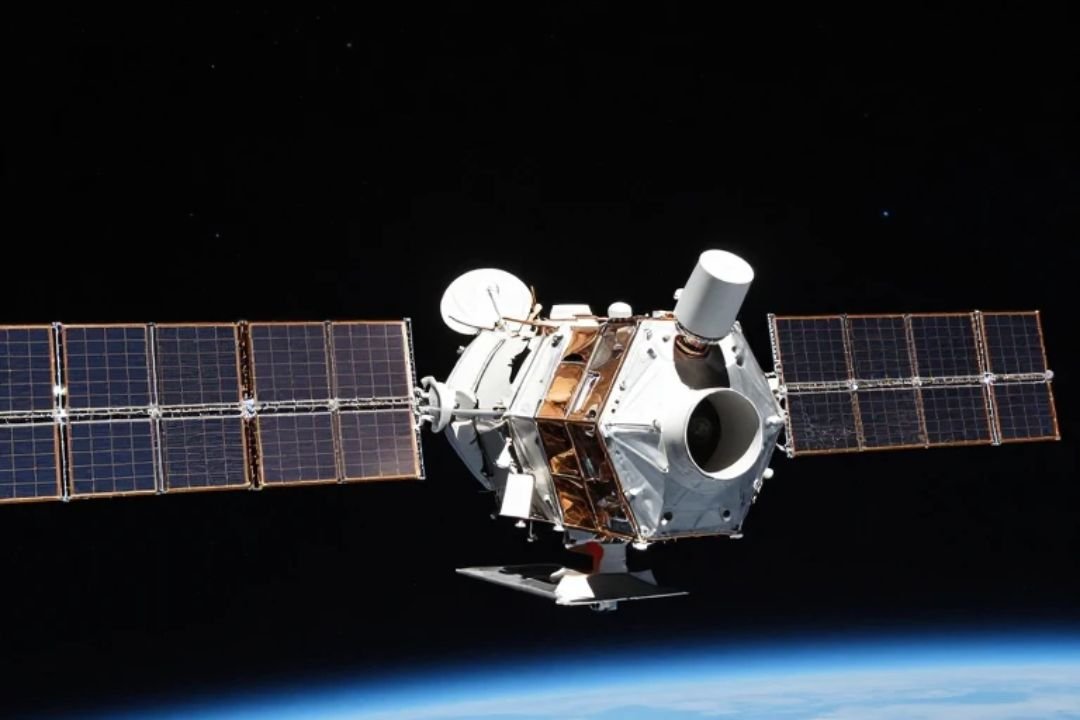
A satellite usually consists of several important components, including communication systems, solar panels for energy, sensors, computers, and control systems. These components allow satellites to perform specific tasks while operating in the challenging environment of space.
There are different types of satellites based on their purpose. Communication satellites help transmit television signals, phone calls, and internet services. Weather satellites monitor atmospheric conditions and predict storms. Earth observation satellites capture images and collect information about land, oceans, and climate. Navigation satellites provide accurate location services through systems such as GPS.
The Evolution of Modern Satellites
Satellite technology has developed rapidly since the launch of the first artificial satellite, Sputnik 1, in 1957. Early satellites were large, expensive, and had limited capabilities. Over time, improvements in electronics, computer technology, and engineering have made satellites more efficient and affordable.
One of the biggest changes in recent years is the rise of small satellites, including CubeSats and microsatellites. These compact satellites are cheaper to build and launch, allowing universities, private companies, and developing countries to participate in space activities.
Modern satellites are also equipped with artificial intelligence, advanced sensors, and high-speed communication systems. These improvements enable satellites to process information faster and provide more accurate data than ever before.
How Satellites Are Transforming Communication
One of the most significant impacts of satellite technology is the revolution in global communication. Satellites make it possible to connect people across different parts of the world, even in remote areas where traditional communication networks are unavailable.
Satellite communication supports television broadcasting, mobile networks, internet connectivity, and emergency communication systems. Companies are now developing large satellite networks in low Earth orbit to provide high-speed internet access to underserved regions.
These satellite-based internet services have the potential to reduce the digital divide by bringing reliable connectivity to rural communities, ships, airplanes, and areas affected by natural disasters. As global demand for internet access continues to grow, satellites are becoming a key solution for expanding worldwide connectivity.
The Role of Satellites in Weather Forecasting
Weather prediction has improved significantly because of modern satellite technology. Weather satellites continuously observe Earth’s atmosphere, oceans, and land surfaces to collect important information about weather patterns.
These satellites help meteorologists track hurricanes, thunderstorms, floods, and other extreme weather events. By providing real-time images and data, satellites allow governments and communities to prepare for dangerous conditions and reduce the impact of natural disasters.
Climate scientists also depend on satellites to study long-term environmental changes. Satellite observations help monitor global warming, melting ice sheets, rising sea levels, and changes in ecosystems. This information is essential for developing strategies to protect the planet.
Satellites and Environmental Protection
Modern satellites are powerful tools for protecting the environment. Earth observation satellites provide detailed information about forests, oceans, agriculture, and wildlife habitats.
Governments and environmental organizations use satellite data to monitor deforestation, illegal mining, pollution, and changes in biodiversity. Farmers also benefit from satellite technology through precision agriculture, which helps them manage crops more efficiently and reduce resource waste.
Satellites can measure soil conditions, track water availability, and identify areas affected by drought. This allows farmers to make better decisions about irrigation, planting, and harvesting. As the global population grows, satellite technology will continue to support sustainable food production.
The Importance of Satellites in Navigation
Navigation satellites have transformed transportation and travel. Global Positioning System (GPS) technology allows people to determine their exact location and find directions using smartphones, vehicles, and other devices.
Modern transportation systems rely heavily on satellite navigation. Airlines use satellites to improve flight safety, ships use them for accurate navigation, and logistics companies use them to track deliveries. Emergency services also depend on satellite positioning to quickly locate people in need of help.
Autonomous vehicles and smart transportation systems are expected to increase the importance of satellite navigation in the future. Accurate positioning technology will be essential for safer and more efficient transportation networks.
Satellites in Scientific Research and Space Exploration
Satellites have expanded human knowledge about Earth and the universe. Space-based telescopes and scientific satellites allow researchers to study distant planets, stars, galaxies, and cosmic events.
Earth science satellites provide valuable information about climate, geology, and natural resources. Space missions use satellites to explore other planets and gather data that would be impossible to collect from Earth.
Modern satellites also support research on space weather, which can affect communication systems, power networks, and navigation technologies. By monitoring solar activity, satellites help scientists understand and prepare for space-related risks.
The Growth of Commercial Satellite Technology
The space industry has changed dramatically with the growth of private companies. Commercial satellite companies are developing innovative technologies that make space access faster and more affordable.
Private investment has encouraged the development of reusable launch systems, satellite internet networks, and advanced Earth observation services. This growth has created new opportunities in industries such as telecommunications, agriculture, transportation, and environmental monitoring.
The commercialization of space is also increasing competition and innovation, leading to better satellite services at lower costs.
Challenges Facing Satellite Technology
Although satellites provide many benefits, they also face several challenges. One major concern is space debris. Thousands of inactive satellites, rocket parts, and other objects are orbiting Earth, creating risks for operational spacecraft.
Another challenge is the high cost of designing and launching satellites. Although technology is becoming cheaper, space missions still require significant investment and careful planning.
Cybersecurity is also an important issue. Since many essential services depend on satellite systems, protecting satellites from cyber threats and technical failures is becoming increasingly important.
The Future of Satellite Technology
The future of satellite technology looks promising. Advances in artificial intelligence, robotics, and materials science will continue to improve satellite capabilities. Future satellites may become even smaller, more powerful, and capable of performing complex tasks independently.
Large satellite networks may provide global internet coverage, while advanced Earth observation systems could improve climate monitoring and disaster response. Satellites may also play a major role in future missions to the Moon, Mars, and beyond.
As humanity becomes more dependent on digital connectivity and environmental information, satellite technology will remain a critical part of global development.
Conclusion
Satellite technology has transformed the modern world in countless ways. From connecting people across continents to helping scientists understand climate change, satellites have become essential tools for progress and innovation.
Modern satellites improve communication, navigation, weather forecasting, agriculture, environmental protection, and scientific discovery. Although challenges such as space debris and security risks remain, continuous advancements are making satellite systems more efficient and accessible.
As technology continues to evolve, satellites will play an even greater role in shaping the future of humanity. They are not only machines orbiting above Earth but powerful tools that help solve global challenges and create new possibilities for generations to come.
