Introduction
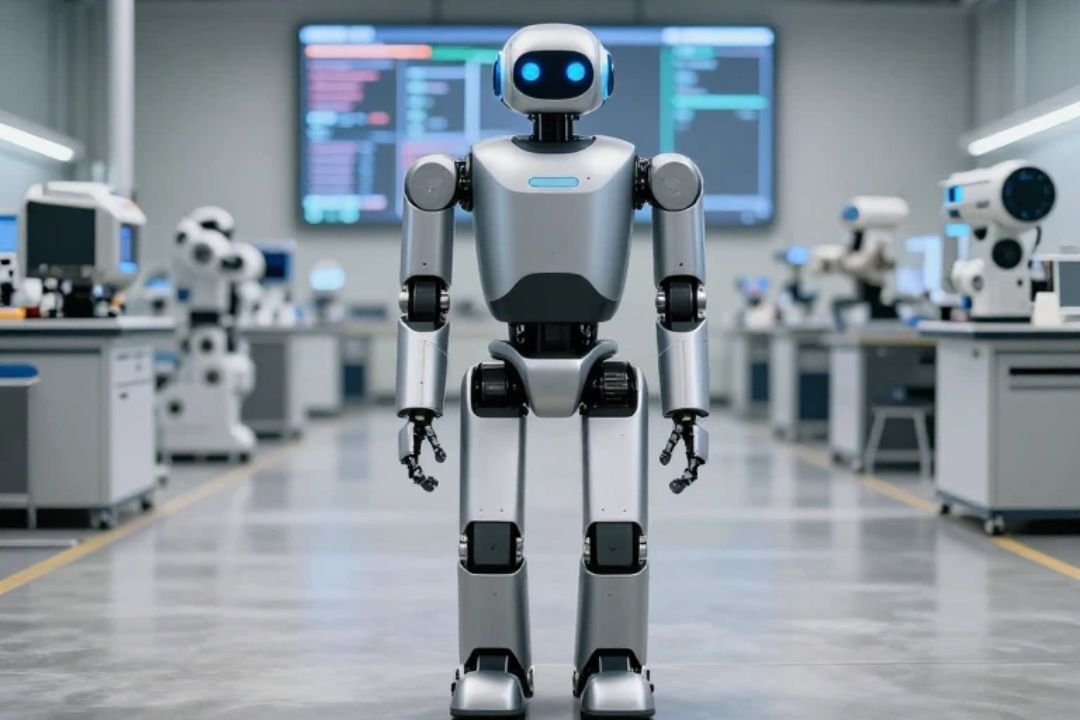
Technology is transforming the world at an incredible speed, and one of the most exciting developments is the combination of Artificial Intelligence (AI) and robotics. Smart robots powered by artificial intelligence are changing how humans work, live, and interact with machines. From healthcare and manufacturing to transportation and everyday life, AI-powered robots are becoming an important part of modern society.
Unlike traditional machines that follow fixed instructions, AI robotics allows robots to learn, adapt, make decisions, and perform complex tasks. These intelligent machines can analyze information, recognize patterns, and improve their performance over time. As artificial intelligence continues to advance, smart robots are expected to play a major role in shaping the future of technology.
This article explores how artificial intelligence robotics is changing the future, its applications, benefits, challenges, and the impact it will have on different industries.
What Is Artificial Intelligence Robotics?
Artificial Intelligence Robotics is the combination of artificial intelligence technology and robotic systems. Robotics focuses on designing and building machines that can perform physical tasks, while AI provides the ability to think, learn, and make decisions.
Traditional robots are programmed to perform specific actions repeatedly. For example, industrial robots on factory assembly lines usually complete the same tasks every day. AI-powered robots, however, can understand their environment, learn from experience, and respond to changing situations.
Smart robots use several advanced technologies, including:
- Machine Learning: Allows robots to learn from data and improve performance.
- Computer Vision: Helps robots recognize objects, people, and environments.
- Natural Language Processing: Enables robots to understand and communicate using human language.
- Sensors and Automation: Allow robots to interact safely with the physical world.
Together, these technologies create intelligent machines capable of performing tasks that once required human intelligence.
How Do AI-Powered Robots Work?
AI robots combine hardware and software to perform intelligent actions. The process involves several important components.
Sensors and Data Collection
Smart robots use sensors such as cameras, microphones, and motion detectors to collect information about their surroundings. These sensors help robots understand the environment and respond appropriately.
Artificial Intelligence Algorithms
AI algorithms analyze the collected data and help robots make decisions. Machine learning models allow robots to identify patterns, predict outcomes, and improve their actions.
Robotic Hardware
The physical structure of a robot includes motors, arms, wheels, and other mechanical components. These parts allow robots to move and interact with objects.
Decision-Making Systems
AI enables robots to choose the best actions based on the information they receive. This allows them to complete tasks independently without constant human control.
The Role of Artificial Intelligence in Modern Robotics
Artificial intelligence has completely changed the capabilities of robots. Earlier robots were limited to repetitive tasks, but AI has made them more flexible and intelligent.
Modern AI robots can:
- Recognize faces and objects
- Understand spoken commands
- Navigate complex environments
- Learn new skills
- Work alongside humans
- Make independent decisions
This advancement is creating a new generation of machines that can support humans in many areas of life.
Applications of Artificial Intelligence Robotics
AI robotics is being used across various industries. Smart robots are improving efficiency, safety, and productivity in many fields.
1. Healthcare and Medical Robotics
Healthcare is one of the most important areas where AI robotics is making a difference. Smart robots are helping doctors, surgeons, and patients in many ways.
AI-powered surgical robots can assist doctors with precise procedures, reducing human error and improving accuracy. Robotic systems can also help with patient care, rehabilitation, and elderly assistance.
Applications include:
- Robotic surgery
- Patient monitoring
- Rehabilitation robots
- Medical delivery robots
- Elderly care assistants
In the future, AI robots may provide personalized healthcare support and improve access to medical services.
2. Manufacturing and Industrial Automation
Manufacturing was one of the first industries to adopt robotics, but AI has made industrial robots much more advanced.
Smart factory robots can analyze production data, detect problems, and adjust their operations automatically. They can work faster and more accurately while improving workplace safety.
Benefits include:
- Increased productivity
- Reduced manufacturing errors
- Lower operational costs
- Improved worker safety
AI-powered automation is creating the factories of the future, where humans and intelligent machines work together.
3. Autonomous Vehicles and Transportation
AI robotics is playing a major role in the development of self-driving vehicles. Autonomous cars use artificial intelligence, sensors, and robotics to understand roads, detect obstacles, and make driving decisions.
Smart transportation systems can help:
- Reduce traffic accidents
- Improve transportation efficiency
- Lower fuel consumption
- Provide mobility solutions for people with disabilities
As autonomous technology improves, AI robots may transform the way people travel.
4. Smart Robots in Homes
AI robotics is becoming part of everyday life through smart home devices and personal robots.
Examples include:
- Robotic vacuum cleaners
- AI-powered assistants
- Home security robots
- Personal companion robots
These smart devices can make daily tasks easier and provide convenience for users.
5. Agriculture and Farming
Agriculture is another field benefiting from AI robotics. Smart farming robots can monitor crops, analyze soil conditions, and perform agricultural tasks.
Applications include:
- Automated harvesting
- Crop monitoring
- Weed detection
- Precision farming
AI robots can help farmers increase productivity while using resources more efficiently.
6. Space Exploration
Robotics has always played an important role in space exploration. AI-powered robots can explore environments where humans cannot easily travel.
Smart space robots can:
- Collect scientific data
- Explore planets
- Repair equipment
- Assist astronauts
AI robotics may become essential for future missions to the Moon, Mars, and beyond.
Benefits of Artificial Intelligence Robotics
AI-powered robots provide many advantages across different industries.
Increased Efficiency
Smart robots can complete tasks faster and more accurately than traditional systems.
Improved Safety
Robots can perform dangerous jobs in environments that may be risky for humans, such as deep-sea exploration, mining, or disaster zones.
Better Accuracy
AI robots can perform precise tasks with minimal errors, especially in healthcare and manufacturing.
24/7 Operation
Unlike humans, robots can operate continuously without fatigue, increasing productivity.
Support for Human Workers
AI robots are designed to assist humans by handling repetitive or difficult tasks, allowing people to focus on more creative and complex work.
Challenges of AI Robotics
Although AI robotics offers many benefits, it also creates several challenges.
Job Displacement Concerns
Automation may replace some traditional jobs, especially those involving repetitive tasks. However, it may also create new opportunities in technology, engineering, and robot management.
High Development Costs
Building advanced AI robots requires expensive hardware, software, and research.
Ethical Issues
Questions about privacy, decision-making, and robot responsibility must be carefully addressed as AI robots become more common.
Security Risks
Smart robots connected to networks may face cybersecurity threats. Protecting robotic systems from hacking is an important challenge.
The Future of Artificial Intelligence Robotics
The future of AI robotics is expected to bring even more advanced and intelligent machines. As AI algorithms improve, robots will become better at understanding human needs and working in complex environments.
Future trends in AI robotics include:
Human-Robot Collaboration
Robots and humans will increasingly work together in workplaces, healthcare, and daily life.
More Advanced Learning Capabilities
Future robots will be able to learn faster and adapt to new situations with minimal programming.
Emotional Intelligence in Robots
Researchers are developing robots that can recognize human emotions and respond more naturally.
Expansion Across Industries
AI robotics will continue expanding into education, security, logistics, entertainment, and many other fields.
How Smart Robots Will Change the Future
Smart robots are expected to change the future by improving productivity, solving complex problems, and supporting human activities. They will not only perform physical tasks but also assist with decision-making and problem-solving.
In the future, AI robots may become valuable partners in society, helping humans achieve goals that were previously difficult or impossible. From improving healthcare outcomes to exploring distant planets, intelligent robots will continue to expand the possibilities of technology.
Conclusion
Artificial Intelligence Robotics is one of the most powerful technological advancements of the modern era. By combining intelligent software with advanced machines, AI robotics is creating smart robots that can learn, adapt, and perform complex tasks.
From healthcare and manufacturing to transportation and agriculture, AI-powered robots are already changing the way industries operate. Although challenges such as cost, security, and ethical concerns remain, the potential benefits are enormous.
The future of smart robots is filled with possibilities. As artificial intelligence continues to evolve, AI robotics will play a central role in shaping a smarter, more efficient, and more connected world.
