Introduction
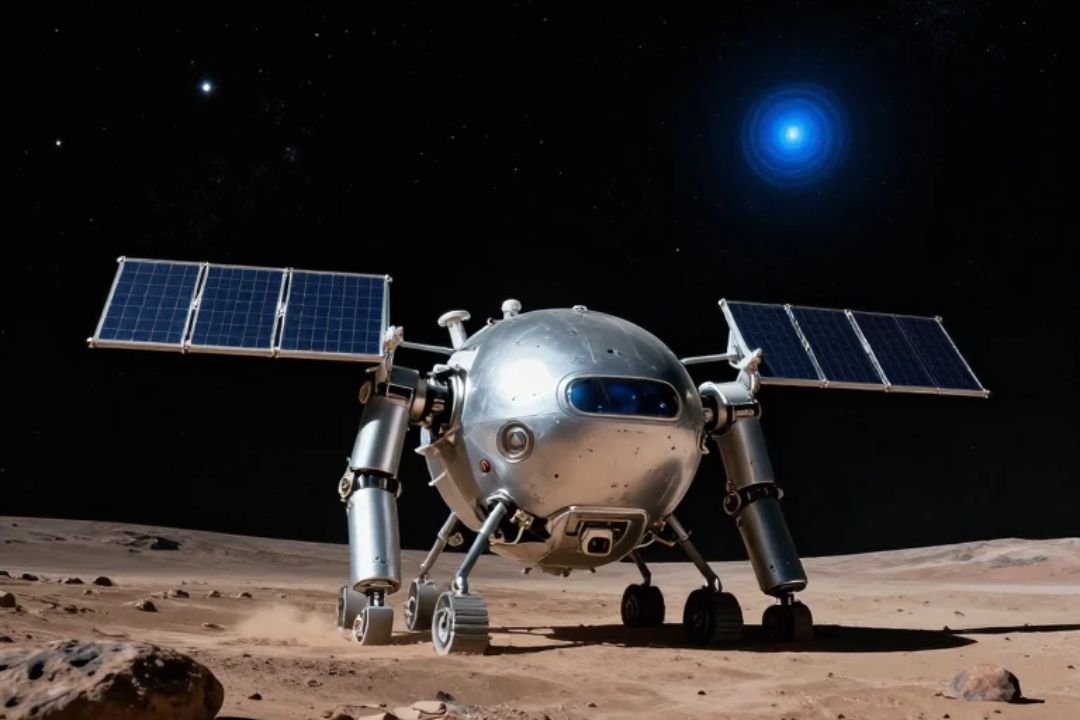
Space robotics has become one of the most important technologies in modern space exploration. Robots are helping scientists explore distant planets, study mysterious environments, and collect valuable information from places where humans cannot easily travel. From robotic rovers exploring Mars to spacecraft investigating distant planets and moons, space robots are expanding our knowledge of the universe.
The use of robots in space has transformed the way scientists conduct research beyond Earth. These intelligent machines can survive extreme temperatures, radiation, and harsh environments while performing complex tasks. As technology continues to improve, space robotics is becoming more advanced, allowing robots to explore deeper into the universe and support future human missions.
What Is Space Robotics?
Space robotics is the field of technology that focuses on designing, building, and operating robotic machines for space exploration. These robots are created to perform tasks such as collecting scientific data, taking photographs, analyzing samples, and repairing spacecraft.
Unlike robots used on Earth, space robots must operate in extremely challenging conditions. They need to function without direct human control, often millions of kilometers away from Earth. For this reason, space robots are equipped with advanced computers, sensors, artificial intelligence systems, and communication technologies.
Space robotics combines multiple fields, including mechanical engineering, computer science, artificial intelligence, electronics, and aerospace engineering. Together, these technologies allow robots to explore environments that are too dangerous or distant for humans.
The History of Space Robotics
The journey of space robotics began during the early years of space exploration. After humans started sending spacecraft beyond Earth, scientists realized that robots could help gather information before sending astronauts into unknown environments.
One of the earliest successful robotic missions involved spacecraft that studied the Moon and other planets. These missions provided valuable data and proved that robots could operate in space.
Over time, robotic technology became more advanced. Space agencies developed sophisticated rovers, landers, and robotic arms capable of performing complex scientific activities. Today, robotic spacecraft are exploring planets, asteroids, comets, and other objects throughout the solar system.
How Space Robots Work
Space robots rely on advanced systems to complete their missions. Since they often operate far away from Earth, they must be designed to work independently and handle unexpected situations.
Sensors and Cameras
Sensors allow robots to understand their surroundings. Cameras help them capture images, while scientific instruments collect information about rocks, soil, atmosphere, and other materials.
Artificial Intelligence
Artificial intelligence allows modern space robots to make decisions without waiting for instructions from Earth. Because communication signals can take minutes or even hours to travel across space, robots need some level of independence.
AI helps robots identify objects, plan movements, avoid obstacles, and select important data to send back to scientists.
Robotic Arms and Tools
Many space robots have robotic arms equipped with specialized tools. These arms allow robots to collect samples, analyze materials, and perform experiments.
Communication Systems
Space robots use powerful communication systems to send information back to Earth. Antennas and satellites help transfer data across enormous distances.
Mars Rovers: Exploring the Red Planet
Mars has become one of the most important destinations for robotic exploration. Several robotic rovers have traveled across the Martian surface, studying its geology, climate, and potential history of life.
Mars rovers are equipped with cameras, scientific instruments, and drilling tools that allow them to examine rocks and soil. They have discovered evidence that Mars once had conditions that may have supported liquid water.
These robotic explorers help scientists understand whether Mars could have supported life in the past and whether humans might one day live there. The information collected by Mars robots is also essential for planning future human missions.
Robotic Missions Beyond Mars
Space robotics is not limited to Mars. Robots have explored many other locations throughout the solar system.
Robotic spacecraft have studied Jupiter, Saturn, asteroids, and comets. These missions have provided important information about the formation of planets and the origins of the solar system.
Some robotic missions have explored icy moons that may contain underground oceans. Scientists believe these environments could provide clues about the possibility of life beyond Earth.
Robots are especially valuable for exploring distant and dangerous places where human missions would be extremely difficult.
The Role of Robotics in Space Stations
Robotics also plays an important role in supporting astronauts in space stations. Robotic systems help with maintenance, scientific experiments, and handling equipment.
Robotic arms attached to space stations can move large objects, assist astronauts during spacewalks, and support spacecraft operations. These systems improve safety and efficiency during long-duration missions.
Future space stations and lunar bases may depend even more on robots to prepare environments before humans arrive.
Space Robotics and Human Exploration
Robots are not replacing humans in space exploration; instead, they are working alongside astronauts. Robotic missions often serve as preparation for human exploration by collecting information and testing technologies.
Before humans travel to Mars or establish bases on the Moon, robots will likely play a major role in building infrastructure, searching for resources, and creating safer environments.
Robots can perform dangerous tasks first, allowing humans to focus on scientific research and exploration.
Artificial Intelligence and the Future of Space Robots
Artificial intelligence is expected to transform space robotics in the coming years. Future robots will become more autonomous, intelligent, and capable of solving complex problems.
AI-powered robots may explore distant planets without constant instructions from Earth. They could analyze scientific data, make decisions, and adapt to changing environments.
Advanced robotics may also support missions beyond our solar system by creating spacecraft capable of long-distance autonomous exploration.
The Importance of Space Robotics
Space robotics provides many benefits for science and humanity. Robots allow researchers to study places that would otherwise remain unreachable.
They help scientists understand planetary evolution, search for signs of life, and learn more about the universe. The information collected by space robots improves our knowledge of Earth and other worlds.
Space robotics also encourages technological innovation. Many technologies developed for space robots have applications on Earth, including advanced sensors, artificial intelligence systems, and automation technologies.
Challenges in Space Robotics
Although space robotics has achieved remarkable success, many challenges remain. Designing robots for space is extremely difficult because they must survive radiation, extreme temperatures, and limited energy supplies.
Another challenge is communication delay. Robots exploring distant planets cannot receive immediate instructions from Earth, requiring them to operate with greater independence.
The cost of developing and launching robotic missions is also very high. Scientists must carefully plan missions to maximize the scientific value of each robot.
Future improvements in materials, artificial intelligence, and energy systems will help overcome these challenges.
The Future of Space Robotics
The future of space robotics is filled with exciting possibilities. Scientists are developing advanced robots that can explore new worlds, build space habitats, and support human expansion into the solar system.
Future lunar missions may use robots to prepare landing sites and collect resources. Mars robots may help establish the foundation for future human settlements.
Beyond our solar system, advanced robotic spacecraft could one day explore distant planets around other stars.
As technology continues to evolve, space robots will become more powerful, intelligent, and capable of exploring the unknown.
Conclusion
Space robotics has revolutionized the way humanity explores the universe. From Mars rovers analyzing alien landscapes to robotic spacecraft studying distant worlds, these machines are helping us discover the secrets of space.
Robots allow scientists to explore dangerous and distant environments while collecting valuable information that improves our understanding of the universe. With advancements in artificial intelligence, automation, and engineering, the future of space robotics promises even greater discoveries.
As humans continue their journey beyond Earth, robots will remain essential partners in exploring new frontiers and unlocking the mysteries of the cosmos.
